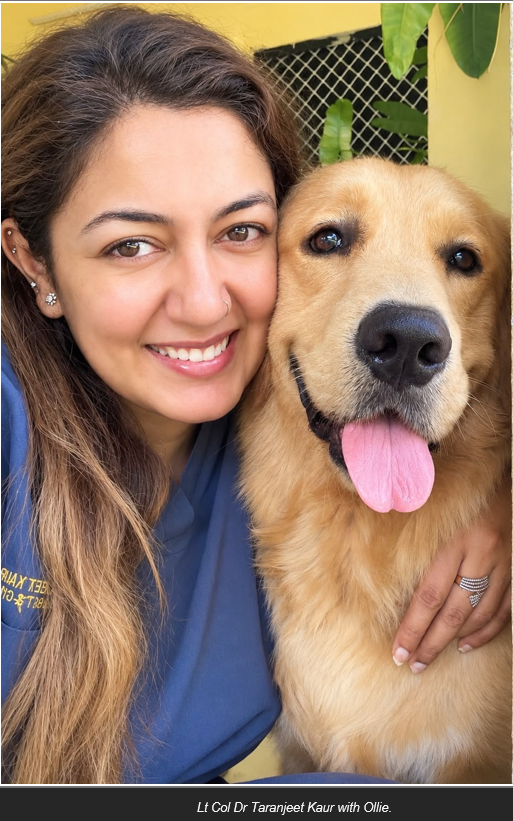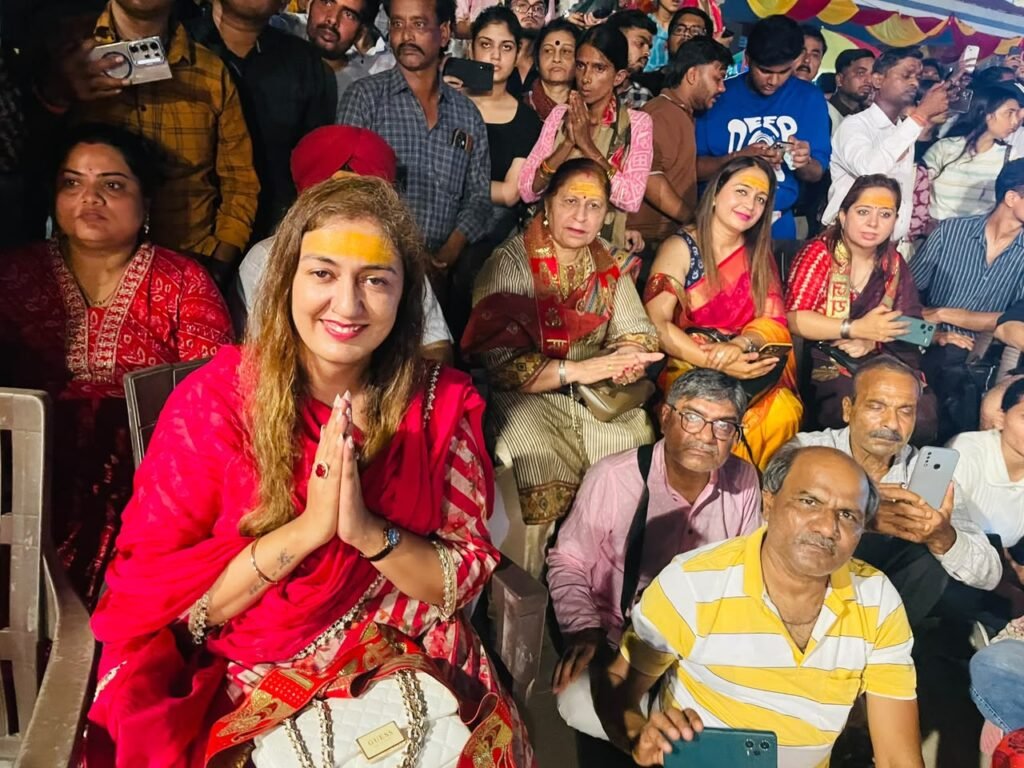
VARANASI: For Lt Col Dr Taranjeet Kaur, an Army medical officer, a recent family visit to Varanasi became more than a religious journey. It brought together faith, family, culture, remembrance and service.
Accompanied by her father Sukhvinder Singh, uncle Kashmira Singh, aunt Daljeet Kaur, elder sister Inderpreet Kaur, associated with PGI Chandigarh, and Maj Silpy Lama (Retd), Dr Kaur experienced several facets of Kashi during the short visit.
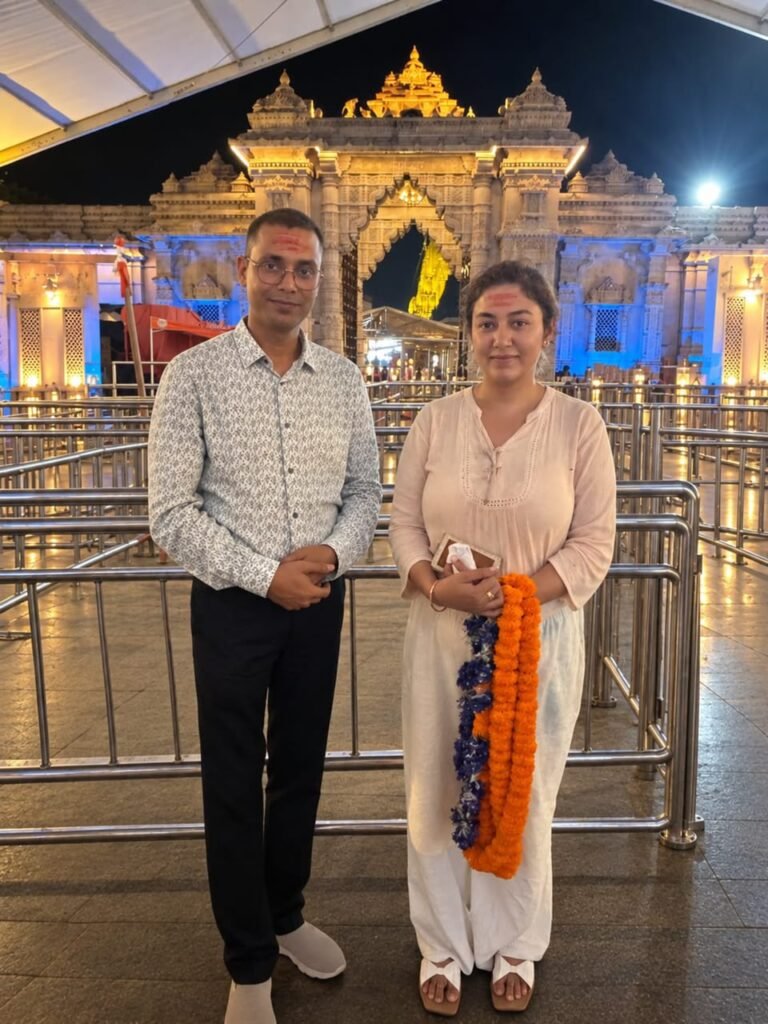
The family attended the Ganga Aarti and visited the Kashi Vishwanath Temple, where Dr Kaur performed Rudrabhishek. They also visited Manikarnika Ghat, experiencing a place deeply connected with Varanasi’s traditions surrounding life, death and spirituality.
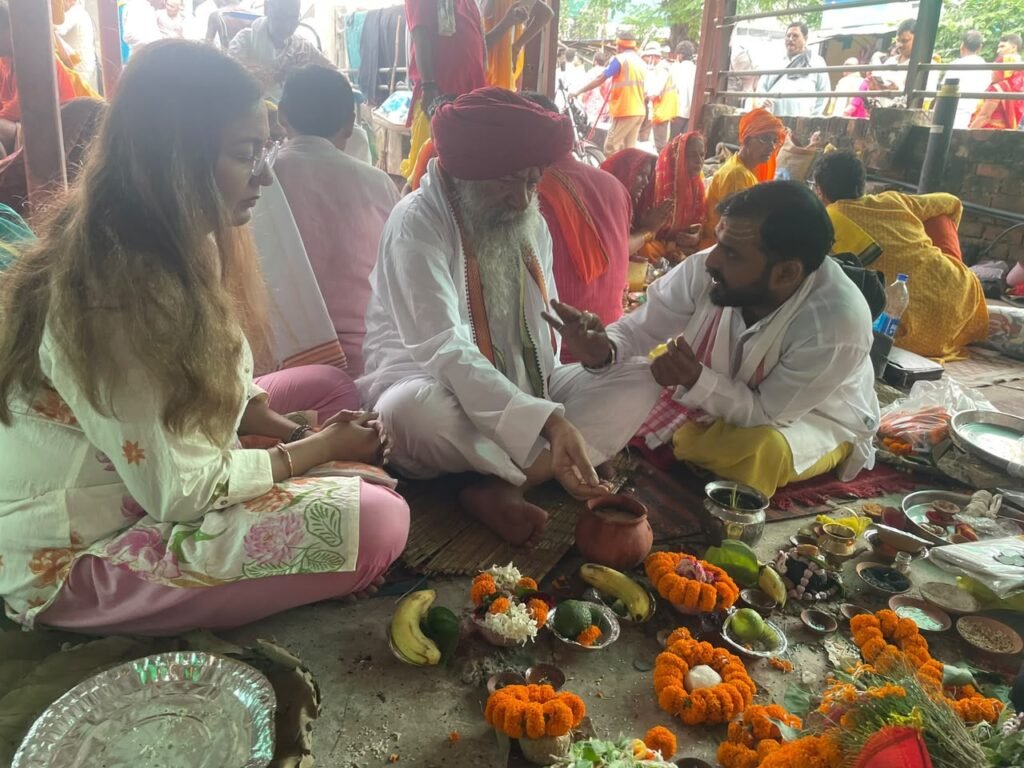
At Pishach Mochan, family members performed pind daan for their ancestors. The ritual gave the journey a personal dimension, connecting the family’s present-day visit with memories of previous generations.
The family also explored the everyday character of Varanasi through its markets, traditional crafts and food, including kachori-sabzi, Banarasi chaat, tamatar chaat, malaiyo, lassi and local sweets.
For Maj Silpy Lama, seeing the Ganga and experiencing the atmosphere of the ghats offered a different perspective on a city she had previously known mainly through stories. The experience left her wishing she could spend more time in Banaras.
One planned experience, however, had to wait. Dr Kaur had hoped to take a boat ride on the Ganga and see the historic ghats from the river, but the water level and prevailing conditions did not permit boating during the visit.
An important part of the journey was a community-service activity in which Dr Kaur and her family participated in serving food to nearly 400 people in need.
Public health expert and PERGE Foundation founder Dr A. Kumar helped plan and coordinate the itinerary. The food-service activity was associated with the Foundation’s wider social initiatives, which include public health, environmental conservation, rural development and community welfare.
According to information shared by the Foundation, its activities expanded during the Covid-19 pandemic and have since included food distribution to approximately 600,000 people. Its environmental work includes plantation of around 182,600 saplings.
The Foundation has also been associated with training young women in Uttarakhand in drone operations, with the aim of providing technology skills and potential avenues for employment and self-reliance. Dr Kaur has been associated with suggestions and participation in some of these social initiatives.
Dr Kaur’s primary professional role remains that of a military medical officer in the Indian Army. Her association with social initiatives has added another dimension to her public engagement.
For Dr Kaur and her family, the Varanasi visit ultimately became a journey that combined prayer with family time, ancestral remembrance with culture, and spirituality with a simple act of service.
The boat ride may have been missed, but it also left the family with one more reason to return to Kashi.