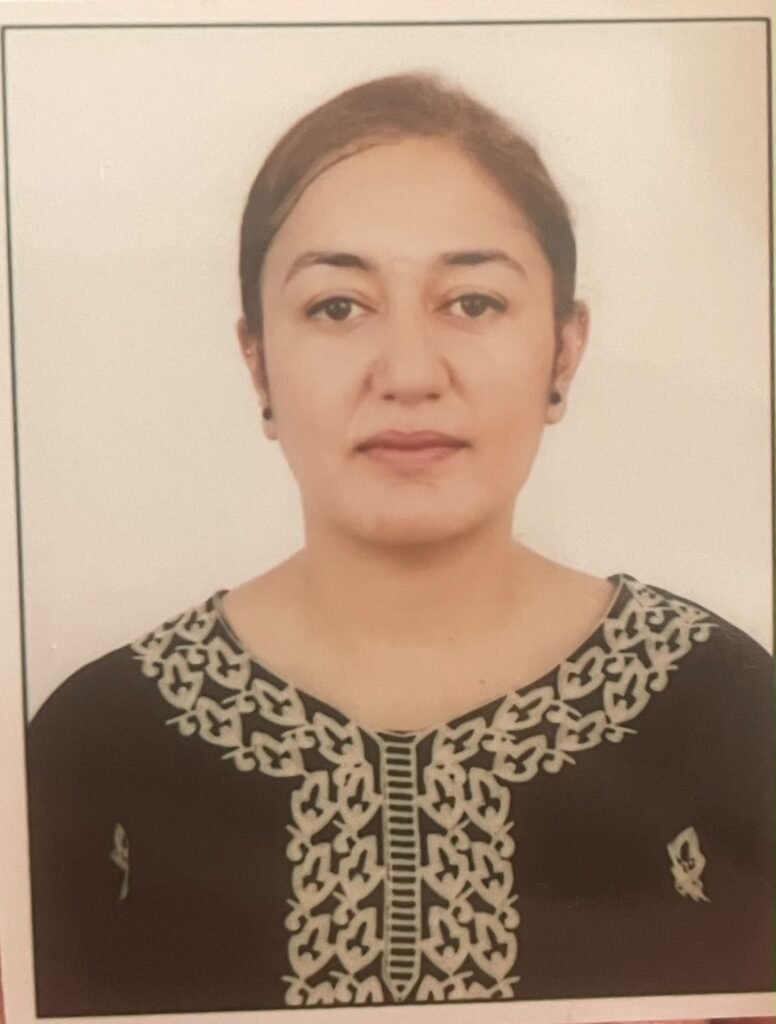
By Dr A. Kumar, Public Health Expert, and Lt Col Dr Taranjeet Kaur, Gynaecologist and Public Health Expert
Mental health must be treated as an essential part of public healthcare, with greater attention to the emotional well-being of women, children and families, two public health experts have emphasised ahead of World Mental Health Day, observed on October 10.
In an article highlighting the need for a more inclusive approach to healthcare, Dr A. Kumar and Lt Col Dr Taranjeet Kaur have called for stronger integration of mental health services into primary healthcare and community-based support systems in Punjab.
The experts noted that emotional distress often remains unrecognised when healthcare focuses primarily on visible physical symptoms. Mental well-being is influenced by several factors, including health conditions, family relationships, education, personal safety, financial circumstances and access to timely treatment.
This year’s World Mental Health Day theme, “Lived experiences heard: real voices, real change,” highlights the importance of involving people with experience of mental health conditions in shaping policies and services. The experts stressed that women, adolescents, children, caregivers, teachers and frontline health workers must have opportunities to share their concerns and contribute to decisions affecting their lives.
Women’s mental health needs greater attention
Women may experience emotional challenges at different stages of life, including adolescence, pregnancy, childbirth, the postnatal period, infertility and menopause. Conditions such as polycystic ovary syndrome and endometriosis may also involve prolonged pain, uncertainty and treatment, which can affect emotional well-being.
The experts emphasised that pregnancy and the period after childbirth require particular attention. Persistent sadness, severe anxiety, loss of interest and difficulty managing everyday activities should not automatically be dismissed as normal aspects of motherhood.
Sensitive conversations, timely assessment and appropriate referrals can help women access the support they need. Family and partner support is important, but it cannot replace professional care when required.
Routine gynaecological and maternal healthcare visits can provide opportunities for healthcare professionals to discuss stress, sleep, mood, safety and social support. Such conversations should take place privately and without judgement, allowing women to raise concerns without fear of blame or stigma.
Children’s emotional safety is equally important
Children may not always be able to explain emotional distress in words. Changes in sleep, appetite, school attendance, concentration, behaviour or relationships can sometimes indicate that a child needs additional support. However, such changes can have several causes and should not automatically be interpreted as evidence of a mental health condition.
Academic pressure, bullying, online experiences, family conflict, bereavement, chronic illness and social isolation can affect a child’s emotional well-being. Parents, teachers, caregivers, paediatricians and community health workers all have a role in creating environments where children can express their feelings without being shamed or punished.
The experts called for early and proportionate support, including reassurance and practical assistance where appropriate, professional assessment when symptoms persist or become severe, and specialist intervention when necessary. Where a child may be at risk of harm, safeguarding and urgent professional assessment must take priority.
Existing programmes can help strengthen access
India has established several programmes that provide a framework for mental health and adolescent support. These include the National Mental Health Programme, the District Mental Health Programme, Tele-MANAS, the Rashtriya Kishor Swasthya Karyakram and the School Health and Wellness Programme.
According to the experts, connecting these services more effectively could help people move from the initial identification of a concern to appropriate assessment, treatment and follow-up. A child identified as needing support at school or a woman raising concerns during a maternal health visit should be able to access suitable services through clear referral pathways.
They cautioned, however, that the existence of national programmes does not guarantee that every service is available in every district or healthcare facility. Local staffing, service availability and referral arrangements must be assessed to identify gaps and improve access.
People seeking mental health guidance in India can also contact Tele-MANAS at 14416 or 1-800-891-4416. Those experiencing an emergency or requiring urgent in-person assessment should seek appropriate emergency care.
Seven priorities for Punjab
The experts have outlined seven priorities for consideration: integrating mental health discussions into maternal and reproductive healthcare; strengthening emotional well-being support for adolescents; helping parents and teachers recognise persistent distress; training frontline health workers to identify warning signs and make appropriate referrals; improving awareness of available services; involving people with lived experience in service planning; and monitoring waiting times, referral completion and the quality of care while protecting individual privacy.
They emphasised that awareness campaigns alone cannot address the challenge. Effective mental healthcare requires trained professionals, confidentiality, affordable treatment, timely assessment, follow-up and coordination between hospitals, schools and community services.
Media organisations also have a responsibility to report mental health issues sensitively, avoid unsupported statistics and sensational language, protect privacy and provide verified information about support services.
The experts concluded that women’s mental well-being and children’s emotional safety must be recognised as integral parts of public health. Listening to people early, responding with compassion and ensuring that appropriate support is accessible can help reduce stigma and prevent families from having to navigate fragmented systems on their own.
Their central message is that mental health should not be treated as a separate concern, but as an essential part of healthcare for every individual and family.