From Varanasi’s Pishach Mochan to the banks of the Phalgu in Gaya, a journey blending faith, remembrance and social service
VARANASI/GAYA: For many, remembering one’s ancestors is a deeply personal tradition. For Lt Col Dr Taranjeet Kaur, the recent journey to Varanasi and Gaya became much more than a religious observance. It became an emotional experience of remembering loved ones, reconnecting with cultural roots and reflecting on the larger meaning of service.
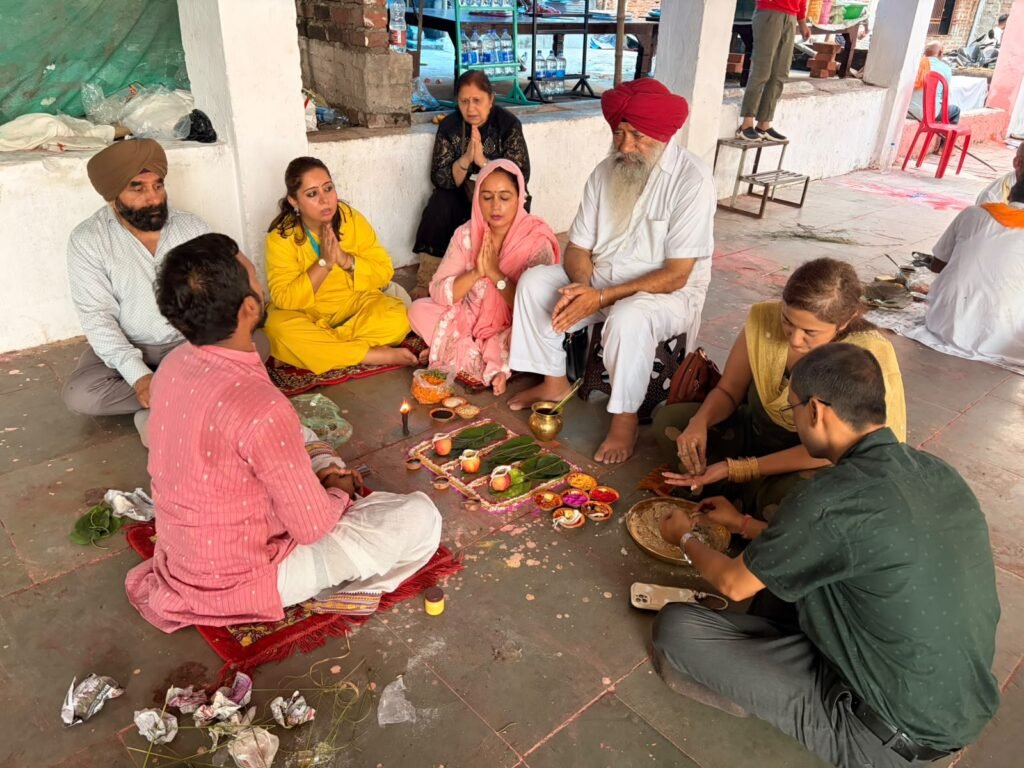
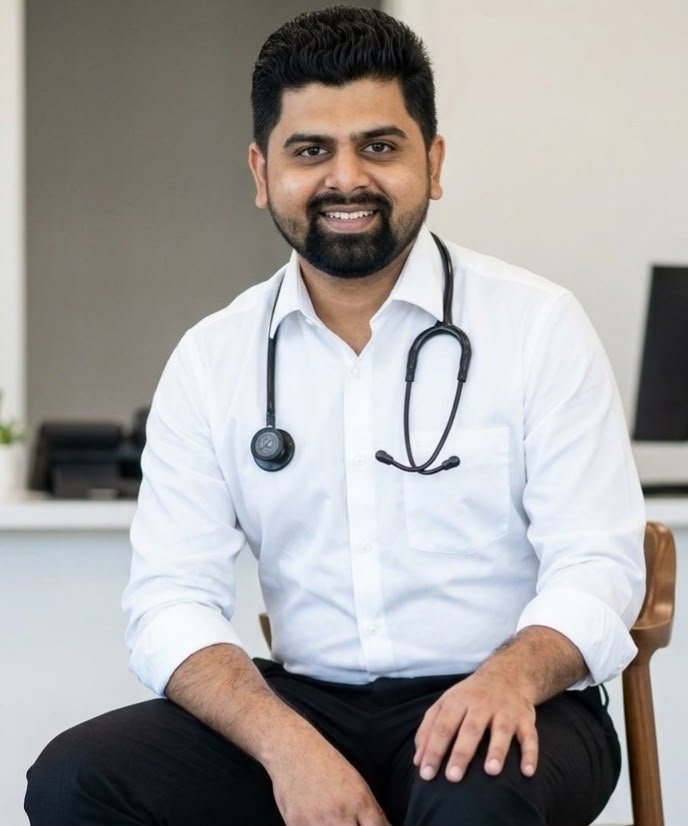
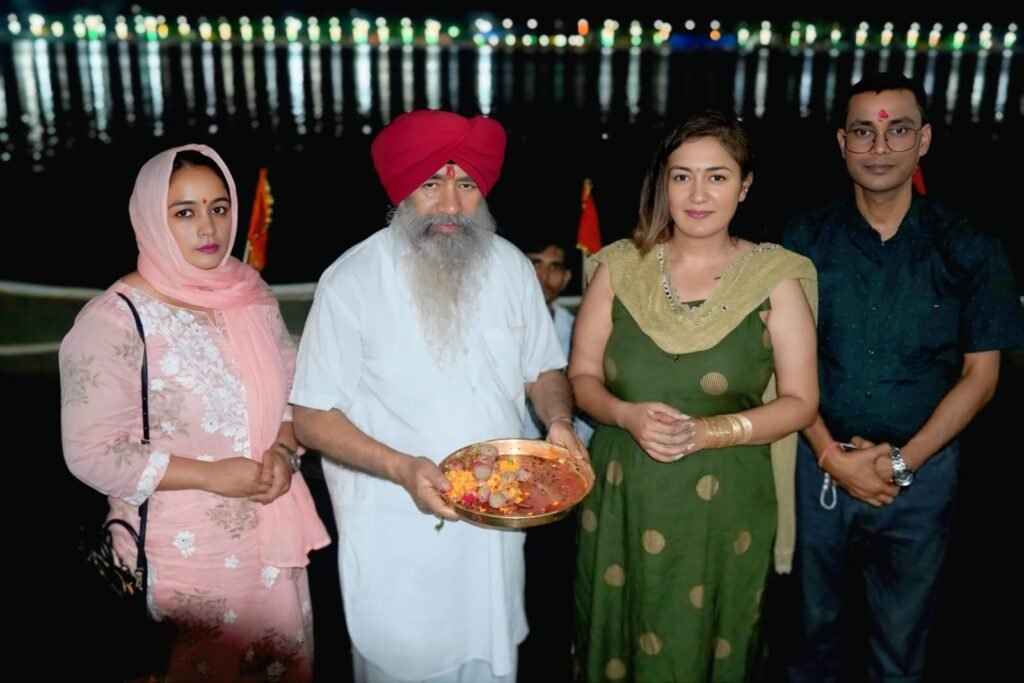
Dr Kaur performed pind daan for her ancestors in Varanasi and Gaya, accompanied by her father Shri Sukhwinder Singh, her sister Inderpreet Kaur, her friend Maj Shilpi Lamba (Retd) and Dr A. Kumar, Medical Advisor to the Union Minister of State for Health and Family Welfare, Government of India.
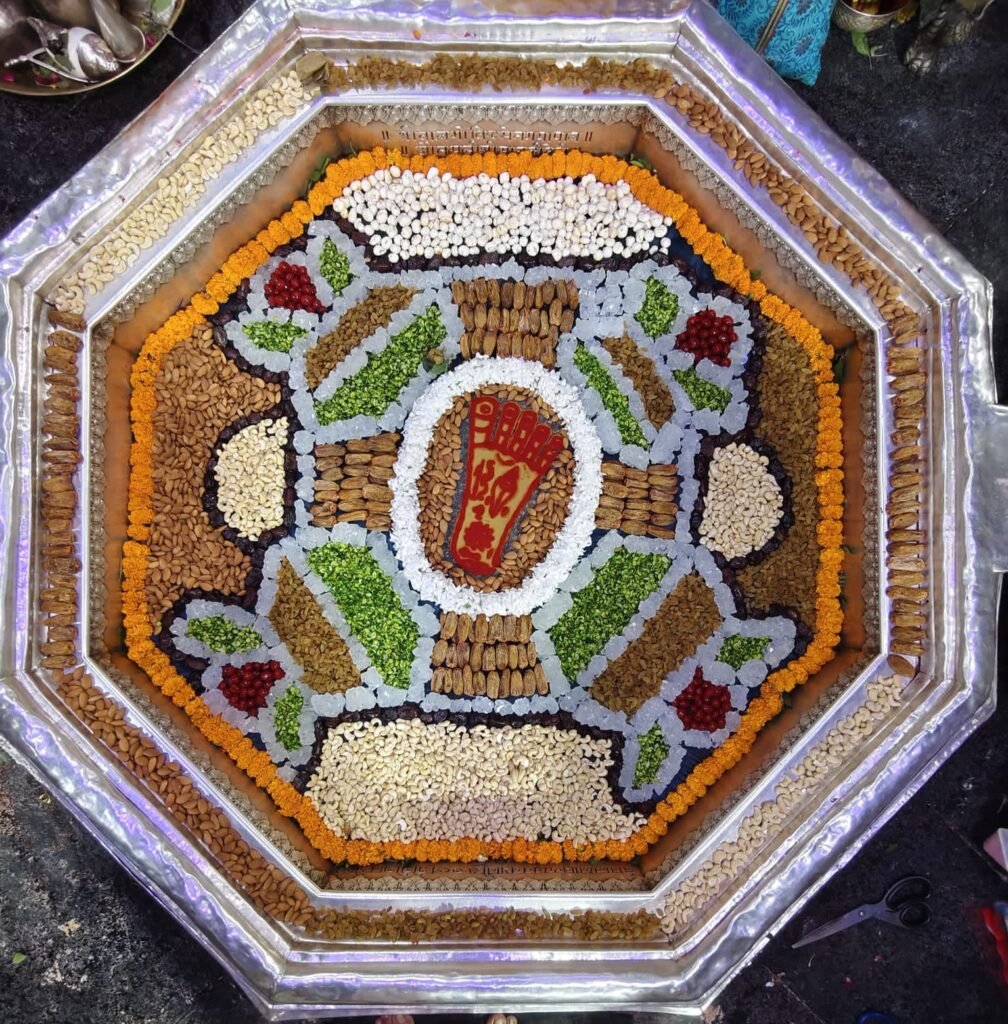
The journey took the group from the sacred surroundings of Pishach Mochan in Varanasi to the banks of the Phalgu River in Gaya, including the traditional rituals near the Akshay Vat and prayers at the Vishnupad Temple.
For Dr Kaur, the experience was deeply personal.
She described performing pind daan in Varanasi and Gaya as an experience that brought a different sense of emotional and spiritual connection. The rituals, she said, offered an opportunity to remember her ancestors, seek peace for their souls and reflect on the values and memories passed down through generations.
A journey of faith and remembrance
Varanasi, one of India’s oldest living cities, has long been associated with spirituality, tradition and the Ganga. Pishach Mochan is among the places in the city associated with ancestral rituals.
The journey later continued to Gaya, an important centre associated with pind daan and ancestral rites. At the Phalgu River, the rituals were performed near the Akshay Vat, followed by prayers at the Vishnupad Temple.
For Dr Kaur, the atmosphere at Vishnupad Temple left a particularly strong impression.
She spoke of experiencing a sense of positive spiritual energy at the temple—something she felt was difficult to adequately express in words.
The journey also provided an opportunity for the group to pause from their professional responsibilities and reflect on family, faith and the importance of remembering those who came before them.
A first-hand experience for Maj Shilpi Lamba

For Maj Shilpi Lamba (Retd), accompanying Dr Kaur on the pilgrimage offered a different perspective on India’s religious traditions.
She described it as an opportunity to experience such rituals closely and understand their emotional significance.
What made the journey distinctive was the combination of personal faith and social service. Alongside ancestral rituals, the group participated in activities aimed at helping people in need.
For Lamba, witnessing Dr Kaur and Dr A. Kumar participating in the rituals and subsequently engaging in community service presented a meaningful example of how professional life and cultural traditions can coexist with a commitment to society.
From prayer to service at Assi Ghat
The Varanasi leg of the journey also included a visit to Assi Ghat, where Dr Kaur, along with Dr A. Kumar, participated in food distribution for around 400 people in need.
The act of personally serving food added another dimension to the spiritual journey.
Dr Kaur also participated in the Ganga Aarti, an experience she described as deeply moving. The atmosphere on the banks of the Ganga, the prayers and the ceremonial lighting of lamps left a lasting impression on her.
For her, the experience strengthened her sense of spiritual connection while also reinforcing the idea that faith can inspire compassion and service.
Health professionals with a wider social mission
The journey also reflected the broader social work associated with Dr Kaur and Dr A. Kumar through the PERGE Foundation.
The two have been associated with initiatives involving public health awareness, cancer awareness, TB-related awareness campaigns, girls’ education, women’s health, agriculture and community development.
The foundation has also been involved in initiatives aimed at supporting disadvantaged communities through food distribution and other forms of social assistance.
Among the areas being explored are programmes for girls’ education, women’s empowerment, healthcare awareness and skill development in rural and mountainous communities.
One such focus has been introducing new skills and opportunities to girls in the Himalayan region, including exposure to drone-related training and other emerging technologies.
The broader objective is to connect healthcare and social development with education, skills and community participation.
A doctor advocating women’s health
As a medical professional specialising in women’s health, Lt Col Dr Taranjeet Kaur has also been involved in efforts to promote awareness about women’s healthcare.
She has consistently emphasised the importance of timely medical consultation, preventive healthcare and awareness of common health conditions among women.
Her public-health messaging extends beyond clinical settings, with an emphasis on using print and other communication platforms to encourage women to understand their health needs and seek medical attention at the appropriate time.
Her approach reflects a wider understanding of healthcare—one that considers awareness and prevention as important components alongside treatment.
Where spirituality meets public health
For Dr A. Kumar, the journey represented a convergence of several aspects of public life: tradition, community service and public health.
His participation in the ancestral rituals with Dr Kaur was followed by community engagement at Assi Ghat, where the group distributed food among people in need.
The contrast was striking but also complementary—an ancient ritual of remembering ancestors followed by a very immediate act of caring for people in the present.
It reflects an idea deeply embedded in Indian social traditions: that spirituality can be accompanied by compassion and service.
Remembering ancestors in a changing world
For Dr Kaur, the importance of ancestral rituals extends beyond the ritual itself.
In an increasingly fast-paced world, where families often live across different cities and countries, traditions such as pind daan can provide an opportunity to reconnect with family history and cultural roots.
Remembering one’s ancestors, she believes, can also encourage younger generations to understand the sacrifices, values and traditions that shaped their families.
The experience in Varanasi and Gaya therefore became an occasion not only to honour the past but also to reflect on responsibilities in the present.
The message of service
The food distribution at Assi Ghat added a humanitarian dimension to the pilgrimage.
Serving food personally to people in need, Dr Kaur said, provided a different kind of satisfaction. It was an opportunity to move beyond symbolic expressions of compassion and participate directly in an act of service.
The experience reinforced the idea that social responsibility does not necessarily require large institutional programmes. Sometimes, it begins with a simple act—sharing food, listening to someone or extending a helping hand.
A journey beyond ritual
The journey from Pishach Mochan in Varanasi to the Phalgu River and Vishnupad Temple in Gaya brought together several themes: family, remembrance, spirituality and social responsibility.
For Dr Kaur, performing pind daan for her ancestors was an emotional act of gratitude and remembrance. For Maj Shilpi Lamba, it was an opportunity to experience an important part of India’s spiritual heritage. For Dr A. Kumar, the journey also intersected with his continuing engagement with public health and community service.
The visit to Assi Ghat and participation in Ganga Aarti further connected the spiritual experience with a commitment to helping others.
In a sense, the journey traced a simple arc—from remembering those who came before us to serving those around us today.
That, perhaps, was the most enduring message of the journey.
The rituals at Varanasi and Gaya provided a moment to look back with gratitude, while the acts of service offered a reminder that the values inherited from previous generations can find meaning in the way society is served today.
For Dr Taranjeet Kaur, the experience of pind daan was therefore not merely about performing a traditional ceremony. It was about remembrance, inner reflection and reconnecting with a spiritual heritage.
And as the lamps of the Ganga Aarti illuminated the evening at Assi Ghat, the journey came to symbolise a broader thought: faith may begin with remembrance, but its deepest expression can be found in compassion and service.