A New Study from North Karnataka Highlights Why Artificial Intelligence Should Become Part of Medical Education
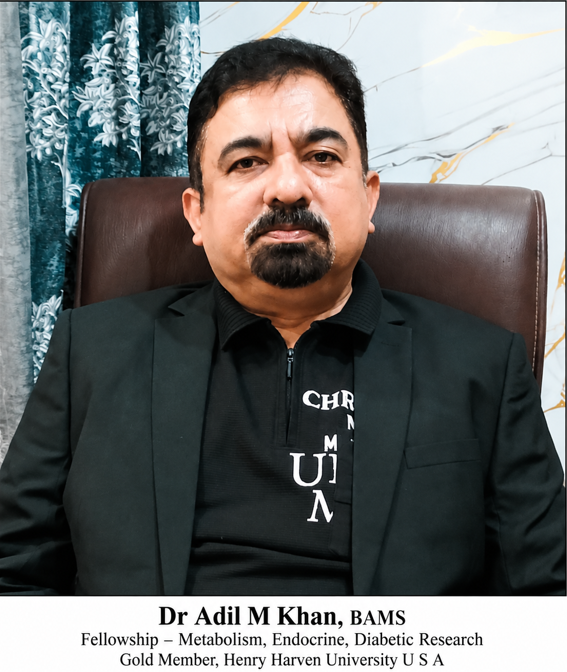
By Dr. Shamin Eabenson
Artificial Intelligence (AI) is no longer a futuristic concept reserved for technology companies. It is steadily becoming an integral part of modern healthcare, assisting doctors in diagnosing diseases, interpreting medical images, supporting clinical decisions, and expanding access to healthcare in underserved regions. Yet one important question remains: Are tomorrow’s doctors truly prepared to work alongside AI?
A recent cross-sectional study conducted among 195 medical students at a tertiary medical institution in North Karnataka offers valuable insights into this question. The research examined students’ knowledge, attitudes, and practical exposure to AI in medicine, revealing both enthusiasm and significant educational gaps.
The findings paint an encouraging picture. More than 83% of students believed AI would improve medical training, while nearly 75% felt it could assist doctors in analysing patient data for better diagnosis.
Around 67% agreed that AI has the potential to improve healthcare access, particularly in regions where specialist doctors are unavailable. These responses reflect a generation of future physicians that is optimistic about technology’s role in improving patient care.
However, optimism alone is not enough.
The study found that almost three-fourths of the students had never received formal AI training, and nearly 68% had never encountered AI tools during their theoretical education. Even fewer students had practical experience using AI in clinical settings. This disconnect between awareness and real-world exposure highlights one of the biggest challenges facing medical education today.
Students also expressed genuine concerns about the responsible use of AI. Many worried about patient data security, ethical challenges, regulatory issues, and the possibility that excessive dependence on technology might reduce essential clinical skills. These concerns demonstrate that future doctors recognise AI not merely as a technological tool but as an innovation that demands careful governance, ethical oversight, and professional accountability.
Importantly, the study does not suggest that AI should replace doctors. Instead, it reinforces the idea that AI should function as an intelligent assistant—helping physicians make faster, better-informed decisions while preserving the empathy, judgment, and human connection that define medical practice.
One of the strongest messages emerging from the research is the overwhelming demand for structured AI education. A large majority of participants believed doctors should receive formal training in AI tools as well as dedicated education on the ethical and societal implications of AI in healthcare. This reflects a clear understanding among medical students that technological competence must be accompanied by ethical responsibility.
The researchers recommend introducing AI education from the first year of MBBS, supported by practical workshops, continuous medical education (CME) programmes, faculty training, and stronger legal safeguards for data privacy. They also emphasise integrating AI with telemedicine to improve healthcare delivery, particularly for rural communities where specialist access remains limited.
As healthcare enters an era increasingly shaped by digital innovation, medical education must evolve alongside it. The future will not belong to doctors who compete with artificial intelligence, but to those who understand how to collaborate with it responsibly. AI can process enormous volumes of information in seconds, but compassion, ethical judgment, communication, and patient trust remain uniquely human qualities.
The study ultimately delivers a timely message: preparing future doctors for an AI-enabled healthcare system is no longer optional—it is essential. By integrating technology with strong clinical training and ethical practice, medical institutions can equip the next generation of physicians to provide smarter, safer, and more accessible healthcare for all.