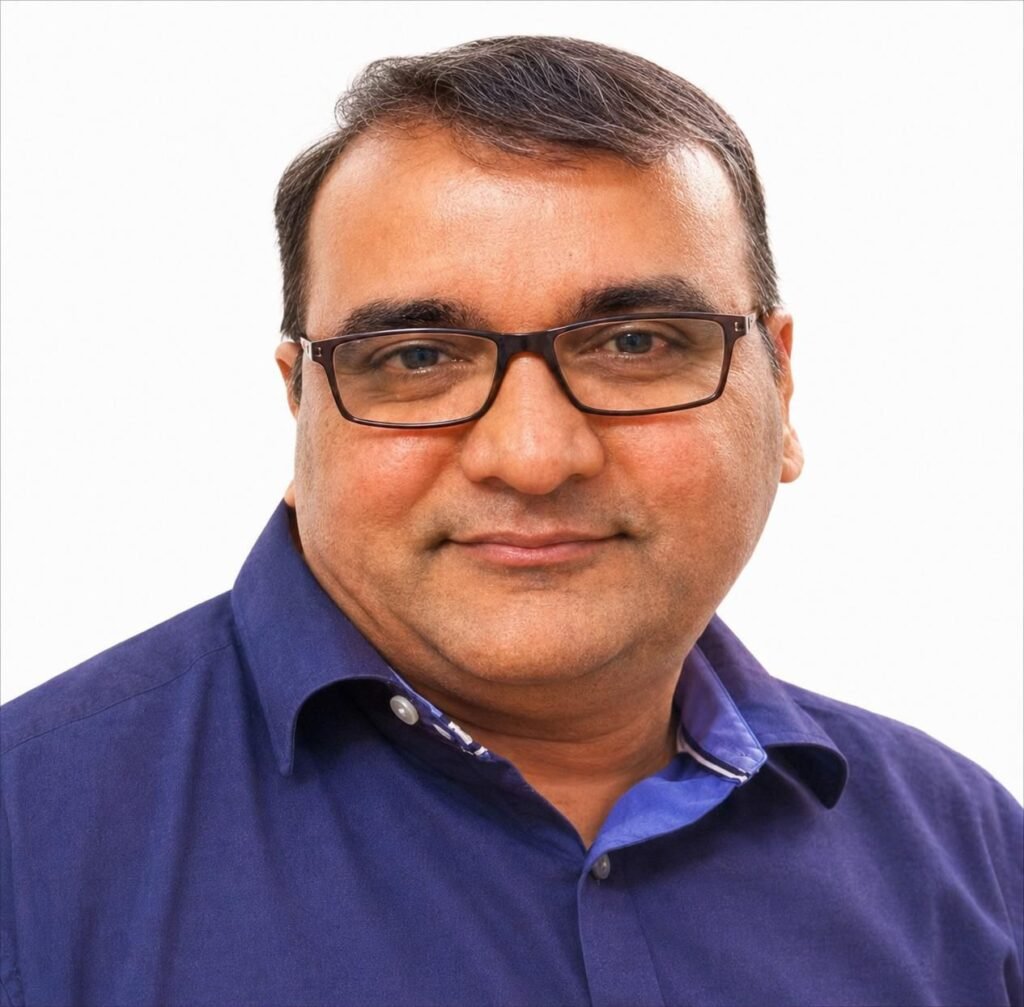
By Dr. Jignesh Jani
India has witnessed a significant moment in its democratic history as Prime Minister Narendra Modi surpassed the tenure record of the country’s first Prime Minister, Jawaharlal Nehru, as an elected Prime Minister. With 4,399 days in office, Narendra Modi moved ahead of Nehru’s 4,398-day record, creating a new benchmark in the annals of Indian politics.
While statistics and records often capture public attention, the true significance of this achievement lies in what it represents—continuity of leadership, sustained public confidence, and a long-term vision for national development. In a democracy as vibrant and diverse as India, securing repeated electoral mandates over more than a decade is an accomplishment that reflects a deep connection between leadership and the aspirations of the people.
Over the past twelve years, Narendra Modi’s governance philosophy has largely revolved around the idea of development-driven politics. The guiding principle of “Sabka Saath, Sabka Vikas, Sabka Vishwas” has shaped numerous policy initiatives aimed at inclusive growth and national progress. Infrastructure expansion, digital transformation, financial inclusion, rural development, social welfare programs, and efforts to improve ease of living have remained central themes of his administration.
Supporters credit the Modi government with accelerating India’s transformation through large-scale initiatives such as digital governance, direct benefit transfers, modern transportation networks, improved public services, and efforts to strengthen India’s position on the global stage. The emphasis on technology-driven governance has also contributed to greater efficiency and transparency in public service delivery.
The comparison with Jawaharlal Nehru is both inevitable and historically significant. Nehru laid the foundations of modern India during the formative years after independence, establishing key democratic institutions and developmental frameworks. Narendra Modi, governing in a vastly different era marked by globalization, digital innovation, and geopolitical shifts, has sought to redefine India’s growth trajectory for the twenty-first century. Though separated by generations and circumstances, both leaders occupy important places in India’s political evolution.
Crossing Nehru’s record is therefore more than a numerical achievement. It symbolizes a new chapter in Indian democracy, where leadership is increasingly evaluated through the lenses of governance, delivery, and development. It also highlights the maturity of India’s democratic system, where voters continue to shape the nation’s direction through successive electoral mandates.
As Narendra Modi continues his tenure, debates regarding policies, governance, and political ideology will undoubtedly persist—as they should in a healthy democracy. Yet, irrespective of political viewpoints, surpassing the tenure record of India’s first Prime Minister remains a historic milestone.
History ultimately judges leaders by the impact they leave on their nation. For Narendra Modi, the record of becoming India’s longest-serving elected Prime Minister after Jawaharlal Nehru stands as a testament to political endurance, public trust, and an enduring commitment to the vision of development for all.