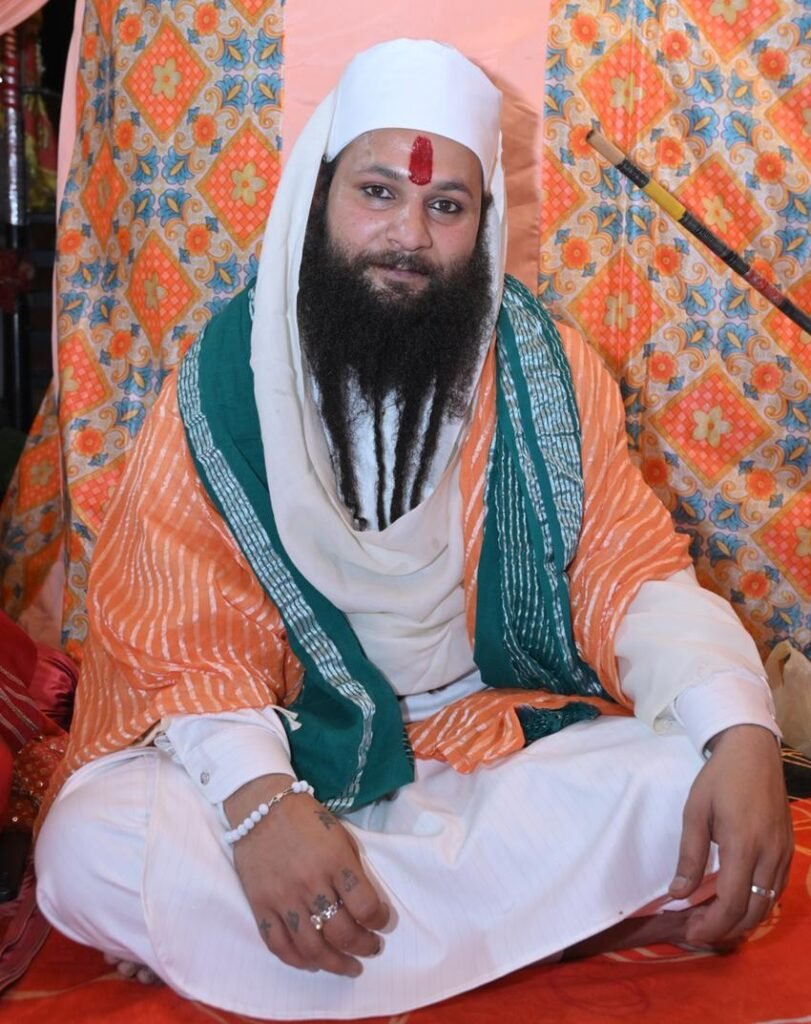
By Dogra Times Correspondent
In today’s fast-moving world, people have access to more information than ever before. Yet despite technological progress and endless opportunities, many continue to struggle with stress, confusion, loneliness, and a sense of emptiness. Why does this happen?
According to author, spiritual thinker, and seeker Kabir Shah, the answer lies not in the outside world but within ourselves. He believes that lasting peace and understanding come from self-awareness rather than achievements, possessions, or information alone.
In this special conversation with Dogra Times, Kabir Shah shares his thoughts on consciousness, spirituality, love, wisdom, and the inner journey that every human being eventually faces.
Looking Beyond the Mind
One of the first things Kabir Shah emphasizes is the difference between the mind and consciousness. Most people spend their lives identifying themselves with their thoughts, emotions, memories, and experiences. However, he believes that our true nature lies deeper than all of these.
He explains that while thoughts constantly come and go, there is always an awareness silently observing them. Many spiritual seekers experience moments of inner silence or emptiness and assume they have reached the final destination. Kabir suggests that these experiences are important, but the real transformation begins when one becomes aware of the observer behind those experiences.
For him, consciousness is like the sky, while thoughts are like passing clouds. The clouds may change every moment, but the sky remains untouched.
This understanding also changes the way we view meditation. Kabir points out that meditation is not about forcing the mind to become quiet. Instead, it is about observing the mind with awareness. While concentration focuses attention on a particular object, meditation helps us understand ourselves more deeply.
He also sees prayer and meditation as complementary practices. Prayer allows us to express our feelings and gratitude, while meditation teaches us how to listen. Together, they help create a deeper connection with life.
Why Information Alone Is Not Enough
We live in an age where knowledge is available at the click of a button. Yet knowledge alone does not guarantee wisdom or inner peace.
Kabir Shah believes there is a significant difference between knowing something and experiencing it. A person can read countless books about happiness, love, or spirituality, but unless those ideas become part of their lived experience, real transformation remains incomplete.
According to him, knowledge fills the mind, while experience touches consciousness.
He also distinguishes between knowledge and wisdom. Knowledge is the collection of facts and information, whereas wisdom is the ability to use that understanding in a meaningful way. Throughout history, highly educated individuals have often made poor decisions because information alone cannot replace insight.
Awareness, he says, is even more important. Knowledge tells us what something is, but awareness helps us observe what is happening in the present moment. It is awareness that ultimately creates change.
Kabir also encourages people to move beyond borrowed beliefs. Beliefs may offer guidance, but truth must be discovered through direct experience. Real understanding comes not from accepting ideas blindly but from exploring them personally.
Religion, Spirituality and the Search for Freedom
Kabir Shah does not see religion and spirituality as opposing forces. In his view, religion provides guidance and direction, while spirituality begins when those teachings become a personal experience.
He describes spirituality as a journey from belief to understanding. A seeker starts with questions and searches for answers, while an enlightened person realizes that what they were searching for was never truly absent.
Another important theme in his teachings is surrender. Many people associate surrender with weakness, but Kabir sees it differently. For him, surrender is an act of trust. It means letting go of the constant need to control every aspect of life.
He also explains the difference between liberation and Moksha. Liberation means freedom from fear, anger, attachment, and other psychological burdens. Moksha goes even deeper, representing freedom from the illusion of a separate self.
Unlike worldly success, spirituality is not about becoming extraordinary. It is about becoming authentic. The ultimate purpose of spiritual growth, he says, is awareness. As awareness grows, clarity and peace naturally follow.
Understanding Love, Ego and Relationships
Many of life’s struggles arise because people confuse concepts that appear similar but are fundamentally different.
Kabir Shah explains that the ego is built from personal identity, achievements, social roles, and the desire for recognition. The soul, however, exists beyond labels and comparisons. While the ego constantly seeks validation, the soul rests in simple presence.
He makes a similar distinction between ego and self-respect. Ego depends on feeling superior to others, whereas self-respect comes from accepting oneself without comparison.
Perhaps his most powerful observations relate to love and attachment. Kabir believes many people mistake attachment for love. Attachment is often driven by fear—the fear of losing someone or being left alone. Love, in contrast, is rooted in trust and freedom.
According to him, genuine love does not seek ownership. Instead, it creates space for both individuals to grow while remaining true to themselves.
Many relationships become painful when expectations replace understanding and control replaces trust. Healthy relationships, he says, are built on awareness, respect, and freedom rather than dependence.
Kabir also distinguishes between desire and determination. Desire may inspire us initially, but determination keeps us moving when challenges arise. Long-term success depends less on temporary motivation and more on clarity of purpose.
The Power of Silence and Solitude
In the final part of the conversation, Kabir Shah reflects on silence, acceptance, and inner transformation.
He believes many people misunderstand silence. Silence is not simply the absence of sound. A room can be completely quiet while the mind remains full of worries and distractions. True silence is an inner state that develops when mental conflict begins to fade.
He also challenges common misconceptions about detachment. Detachment does not mean becoming cold or emotionally distant. Instead, it means learning to engage with life without becoming trapped by fear, expectations, or possessiveness.
Acceptance is another quality he considers essential. Unlike compromise, which often comes from pressure, acceptance arises from understanding reality clearly. Only when we see things as they are can meaningful change begin.
Kabir also speaks about the growing problem of loneliness. He distinguishes loneliness from solitude by explaining that loneliness is the feeling of being disconnected from oneself, while solitude is the experience of being comfortably connected with oneself.
Likewise, he encourages people to replace worry with reflection. Worry drains energy without producing solutions, whereas reflection creates understanding and clarity.
A Journey Toward Awareness
At the heart of Kabir Shah’s message is a simple idea: most human suffering comes from confusion. We struggle because we misunderstand ourselves, our relationships, our desires, and even our search for happiness.
For him, awareness is the key that unlocks clarity. Clarity leads to freedom, freedom creates peace, and peace allows us to live more consciously.
His message to readers is straightforward yet powerful: do not spend your entire life trying to understand the world while remaining a stranger to yourself.
The greatest journey is not from one destination to another. The greatest journey is the journey inward—from unconsciousness to awareness.
About Kabir Shah
Kabir Shah is an author, spiritual thinker, and seeker whose work focuses on consciousness, self-awareness, spirituality, and inner transformation. Through his writings and reflections, he encourages people to look beyond borrowed beliefs and discover truth through personal experience and self-discovery.