By Dr. A. Kumar, Health Expert
At a time when climate change, environmental degradation, and public health challenges are increasingly shaping global discourse, the need for community-driven solutions has never been greater. While governments and international organizations continue to formulate policies, meaningful transformation often begins at the grassroots level. The work being carried out through PERGE Foundation offers an important example of how environmental action can directly contribute to healthier and more sustainable communities.
The relationship between environmental protection and public health is far deeper than many realize. Clean air, safe drinking water, green spaces, and ecological balance are not merely environmental concerns; they are fundamental determinants of human health. Scientific evidence consistently demonstrates that environmental degradation contributes to respiratory illnesses, waterborne diseases, heat-related health conditions, and a growing range of chronic disorders. Therefore, investing in environmental conservation is also an investment in public health.
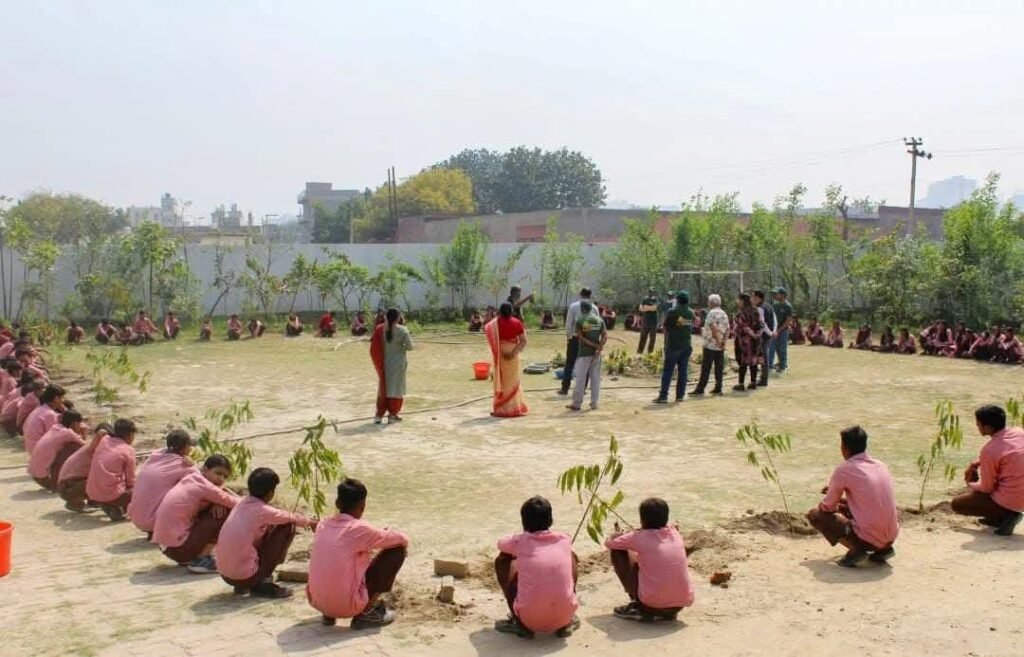
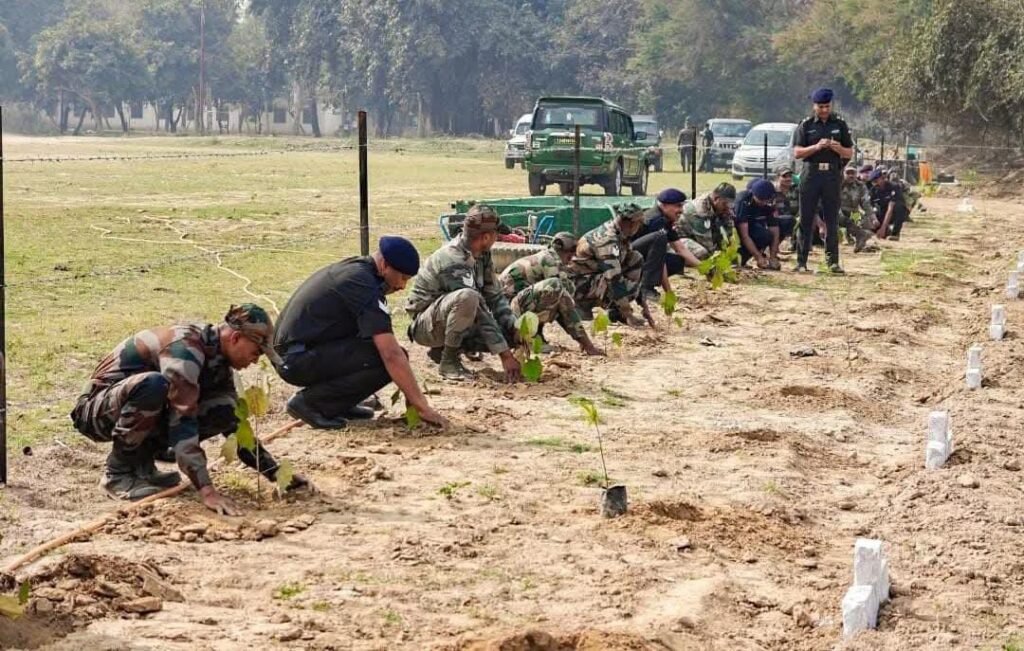
Over the years, PERGE Foundation has emerged as a significant force in promoting environmental awareness and community participation. The plantation of more than 1.5 lakh saplings across various regions of India is not simply a numerical achievement. More importantly, it reflects a commitment to ecological restoration, climate resilience, and long-term sustainability. The focus has remained on ensuring the survival and growth of planted trees rather than limiting efforts to symbolic plantation drives.
One of the most encouraging aspects of this initiative has been its ability to engage ordinary citizens. Environmental conservation cannot succeed through institutional efforts alone. Sustainable change requires active participation from communities, educational institutions, youth organizations, healthcare professionals, and local stakeholders. By encouraging public involvement, the Foundation has helped transform environmental protection into a people’s movement rather than a government responsibility alone.
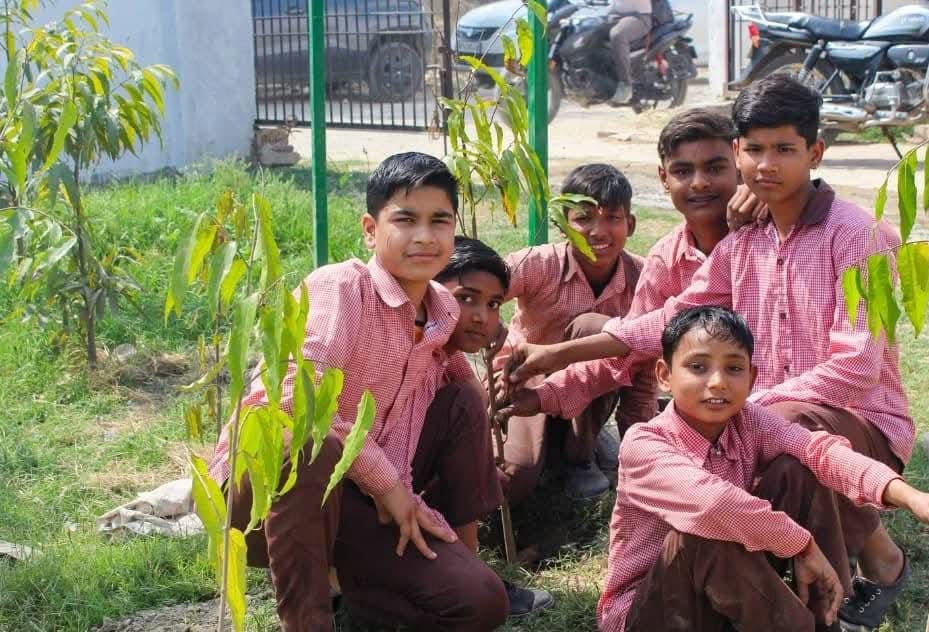
Youth participation deserves particular attention. India’s future depends significantly on how effectively younger generations understand and respond to environmental challenges. Through awareness campaigns, educational workshops, and plantation initiatives, young people are being encouraged to become responsible citizens and future leaders capable of addressing complex social and environmental issues.
The growing impact of climate change serves as a reminder that environmental stewardship can no longer be treated as a secondary concern. Rising temperatures, irregular weather patterns, declining biodiversity, and increasing pollution levels demand urgent and collective action. Community-based initiatives such as those undertaken through PERGE Foundation demonstrate that practical solutions are possible when vision, commitment, and public participation come together.
As India continues its journey toward sustainable development, the integration of environmental protection, public health, and social responsibility must remain a national priority. Every tree planted, every citizen engaged, and every community empowered contributes to building a greener, healthier, and more resilient future. The message is clear: protecting nature is not merely an environmental obligation—it is a public health necessity and a shared responsibility for generations to come.
Source material adapted from the uploaded document.