New Delhi: Naveen Saxena does not expect the first photograph to be the photograph. Nor the tenth. Sometimes, not even the fiftieth.
When photographing a portrait, Saxena may make 50 or 60 trial photographs before he considers the real session to have begun. The early frames are not intended to produce the final image. They serve another purpose: allowing the person in front of his camera to gradually forget that a camera is there at all.
“I want the person to become comfortable with me, my camera, the lights and the environment,” he says. “Only after that do I begin looking for the final portrait.”
It is an unusually patient approach in an increasingly fast-moving photographic world. But patience has been central to Saxena’s relationship with photography for more than half a century.
He first encountered a camera in 1975. Today, after nearly four decades as a professional photographer, he describes those 50-plus years simply as his “friendship with the camera.”
Learning to See
Saxena formally studied photography at the National Institute of Design (NID), Ahmedabad, under a UNDP scholarship programme in 1986. The experience strengthened a photographic discipline built around observation, craftsmanship and an understanding of light.
His professional career would eventually take him across portraiture, hospitality, architecture and interiors, fashion, product photography and advertising.
An important early assignment came in 1992, when he photographed the launch of the executive floors of Le Meridien. It marked the beginning of a long association with hospitality photography, and Saxena subsequently photographed hotels and resorts across India and abroad.
Another formative chapter came through his association with the American Institute of Indian Studies. Working alongside internationally known Indologists gave him an opportunity to study Indian architecture closely and changed the way he looked at buildings through a camera.
Saxena describes it as learning to “speak with a building and read its lines.”
For him, architectural photography is not simply documentation. Before making the photograph, the photographer must understand the structure—the proportion of a space, its perspective and geometry, the direction of its lines and, ultimately, how light reveals its character.
The Slow Art of a Portrait
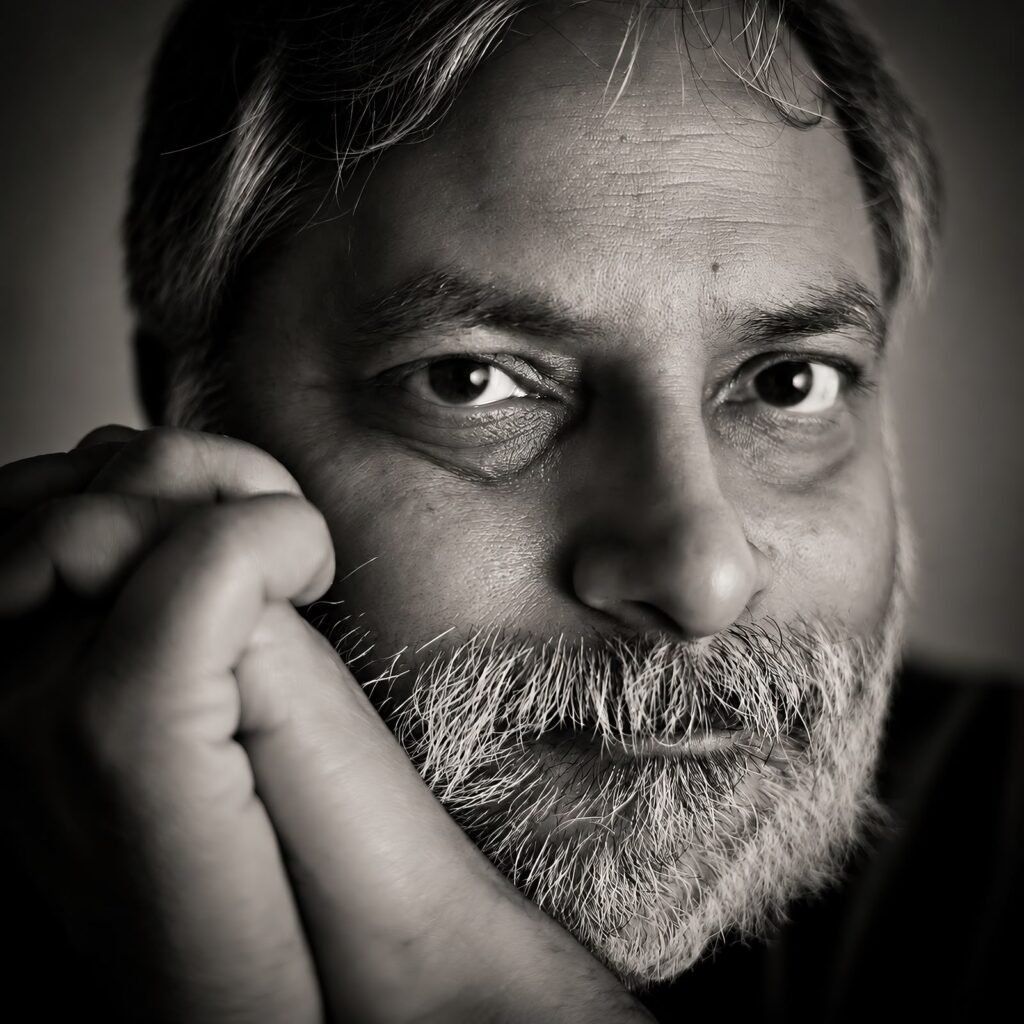
The same philosophy becomes more intimate when Saxena photographs people.
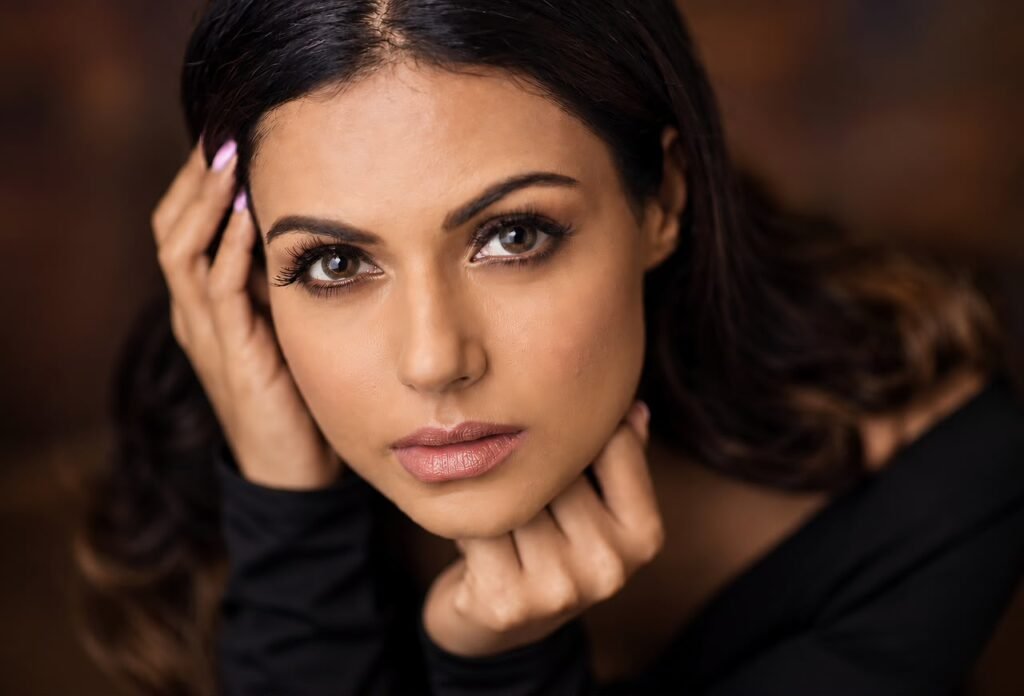
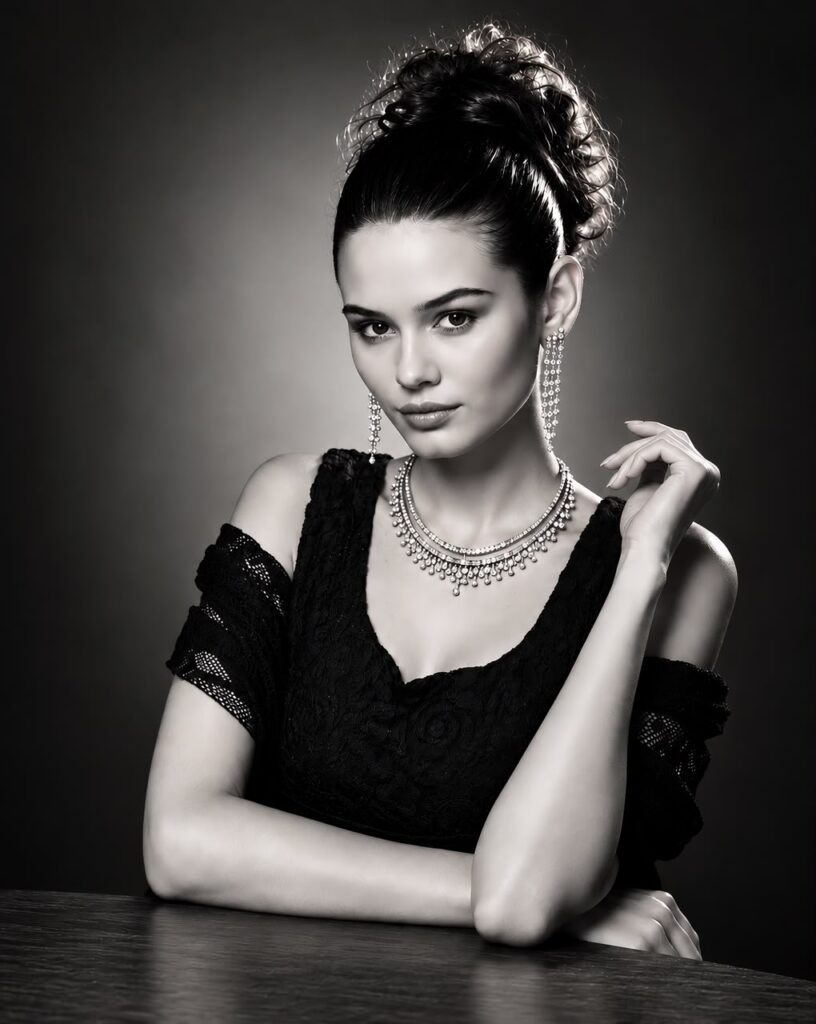
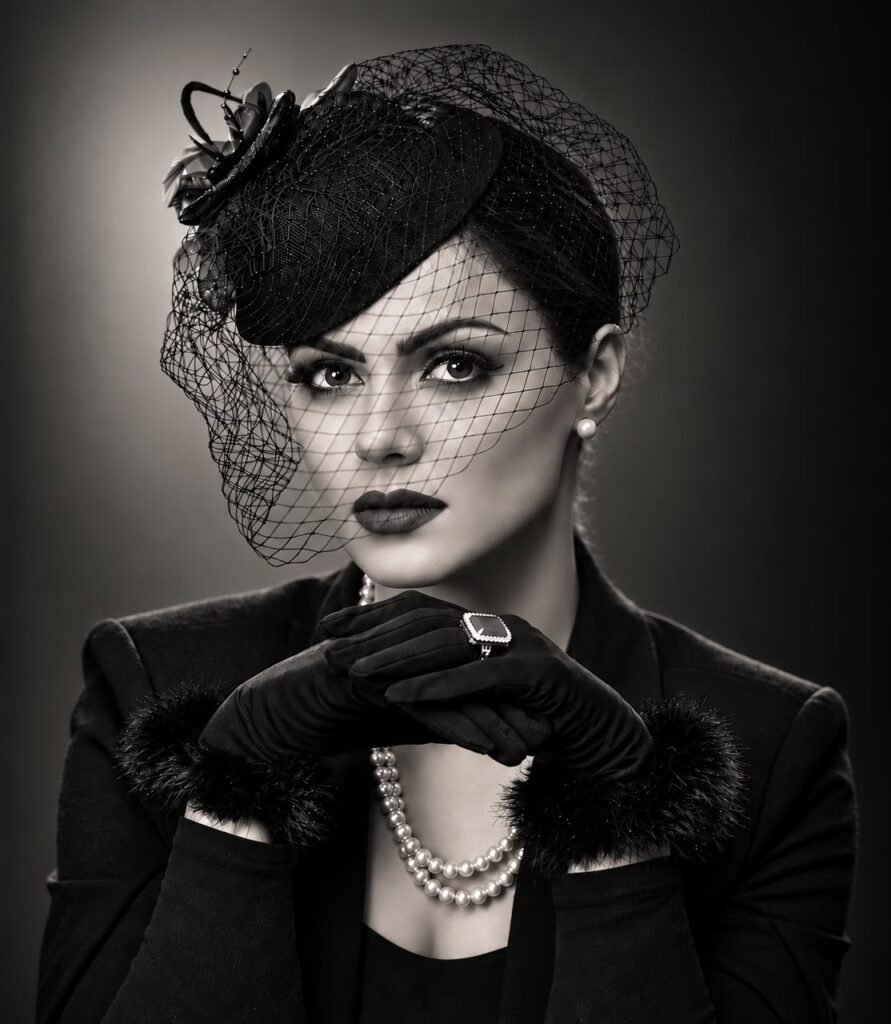
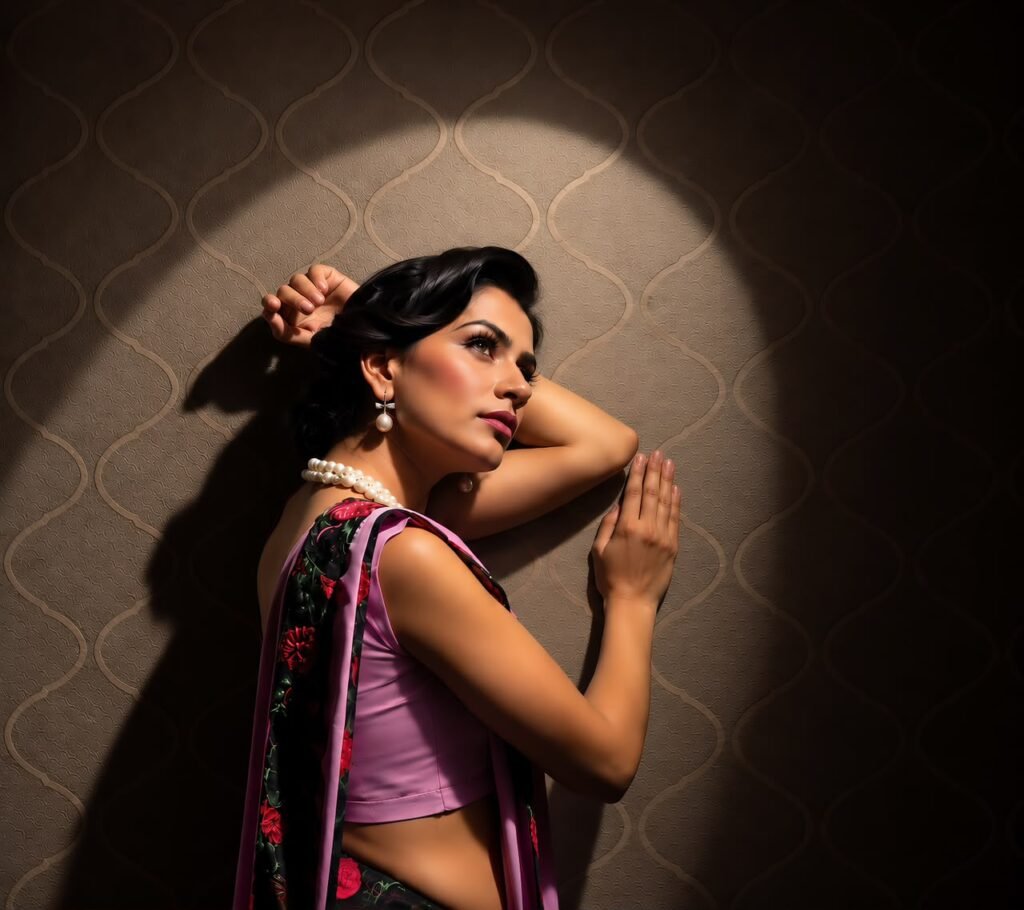
His portraiture is influenced by the principles of classical Hollywood lighting, an era when photographers carefully sculpted faces through controlled highlights and shadows rather than simply illuminating them evenly.
But before lighting a portrait, Saxena studies the face.
He watches how it changes with angle, expression and light. A lighting arrangement that works beautifully for one person may be completely wrong for another.
“Light should not merely illuminate a face,” he says. “It should help describe the person.”
That is why his portrait sessions can last several hours.
During those early frames, Saxena is also looking for something beyond technique. He is waiting for the moment when the person stops posing for the camera.
The shoulders relax. Expressions become less deliberate. The awareness of being photographed begins to disappear.
That, for Saxena, is often when the portrait starts.
Some of his portraits use strong, sculpted light and deep shadows; others are quiet and soft. Whether working in colour or black and white, the objective remains the same: the lighting must belong to the person rather than the person being forced into a predetermined lighting formula.
Over the years, Saxena has also photographed for several leading Indian fashion designers, carrying the same attention to lighting, form and detail into his fashion work.
The Discipline of Slowing Down
Perhaps it is no coincidence that Saxena continues to work with large-format cameras alongside contemporary professional equipment.
Large-format photography belongs to a slower photographic tradition. The photographer cannot simply make hundreds of casual frames and decide later. Composition, perspective, focus and light demand consideration before the exposure is made.
That discipline has remained with Saxena even as photography has moved from film and darkrooms to digital cameras, computers and rapidly evolving imaging technologies.
The tools have changed dramatically.
The fundamentals, he believes, have not.
Photography still begins with seeing—understanding light, composition, perspective and, above all, the subject standing before the camera.
Beyond the Camera
Away from commercial assignments, Saxena has long been interested in astrology, philosophy, religion and poetry. He is also a reader and follower of Osho, interests that perhaps echo the contemplative quality of his photographic process: observing before reacting and allowing time before reaching a conclusion.
Now, after nearly four decades as a professional photographer and more than 50 years with a camera, Saxena is planning a solo exhibition bringing together photographs from different periods of his career.
It will inevitably document changes in photography itself—the movement from film to digital, from large-format cameras to increasingly sophisticated modern technology.
But the exhibition will also tell a more personal story.
The cameras have changed. Film has given way to pixels, darkrooms to screens, and photography itself is entering an age Saxena could hardly have imagined when he first picked up a camera in 1975.
His method, however, remains remarkably unchanged:
Look carefully. Understand the subject. Shape the light. And wait.
More than 50 years later, the friendship between the photographer, the camera and light continues.
Instagram: @naveensaxenaphoto
Email: navveenphoto@gmail.com